First published: 06/14/2023
Last updated: 08/26/2025
Bitcoin Price: How Much Is a Bitcoin Worth in 2025?
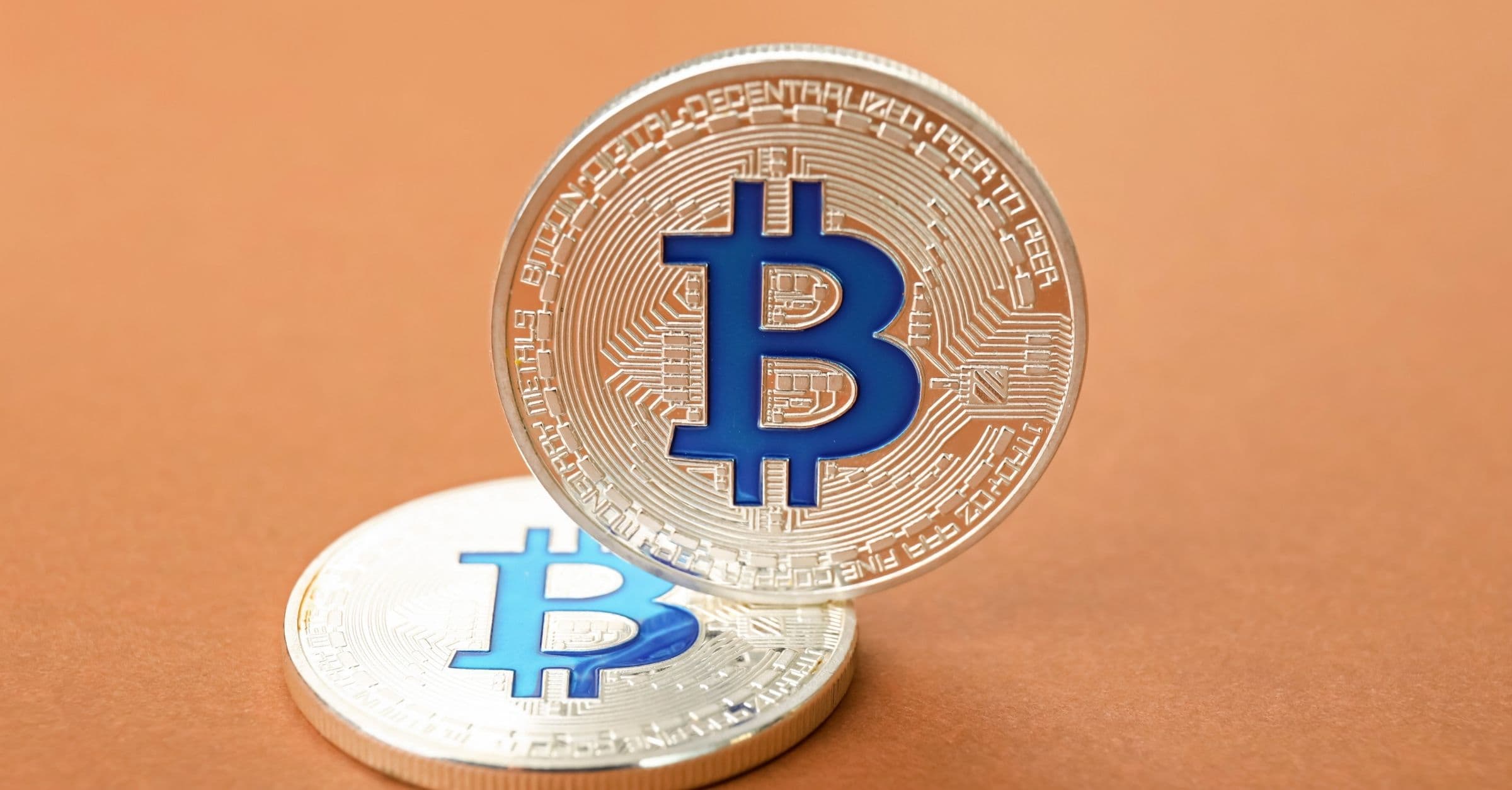
Bitcoin is undeniably the "mother of all cryptos," a nickname gladly given to it by amateur crypto enthusiasts, financial professionals, and seasoned investors alike. It was the precursor to innovative technologies that have transformed the global economy. Most importantly, it consistently maintains a leading position when compared to other cryptocurrencies in terms of market capitalization. The overall health of the sector therefore largely depends on the confidence it inspires, and above all, on its valuation. Below are key insights to help understand the evolution of Bitcoin's value.
Bitcoin from 2010 to 2025: Exponential Growth
At its inception between 2009 and 2010, Bitcoin was worth barely $2 per unit. When Satoshi Nakamoto published the whitepaper describing blockchain technology, as well as the principles of decentralized governance upon which this virtual currency would rest, the initial enthusiasm did not immediately translate into investor demand.
The first BTC transaction took place between Nakamoto and Hal Finney (January 2009). Later, via the Bitcoin Talk forum, the first commercial purchase using BTC occurred: 2 pizzas for 10,000 bitcoins (May 2010). These two operations, alongside the progressive arrival of Bitcoin alternatives, ignited a revolution that no one could have predicted.
As interest in the premier cryptocurrency continued to grow and other cryptos emerged, BTC embarked on a journey toward stratospheric heights. Today (August 2025), 1 BTC trades between approximately $110,300 and $110,500, a value that fluctuates constantly. When breaking this price down to the scale of satoshis (the smallest unit of subdivision of BTC; 1 satoshi = 10 ^-9 BTC), 1 satoshi/SATS oscilates between 0,0000273 $ and 0,0000287 $.
Compared to 2010, the price of BTC has experienced a growth of over 1,000,000%, reaching an all-time high (ATH) of approximately $124,400 in August 2025.
How to Find Out How Much a Bitcoin Is Worth?
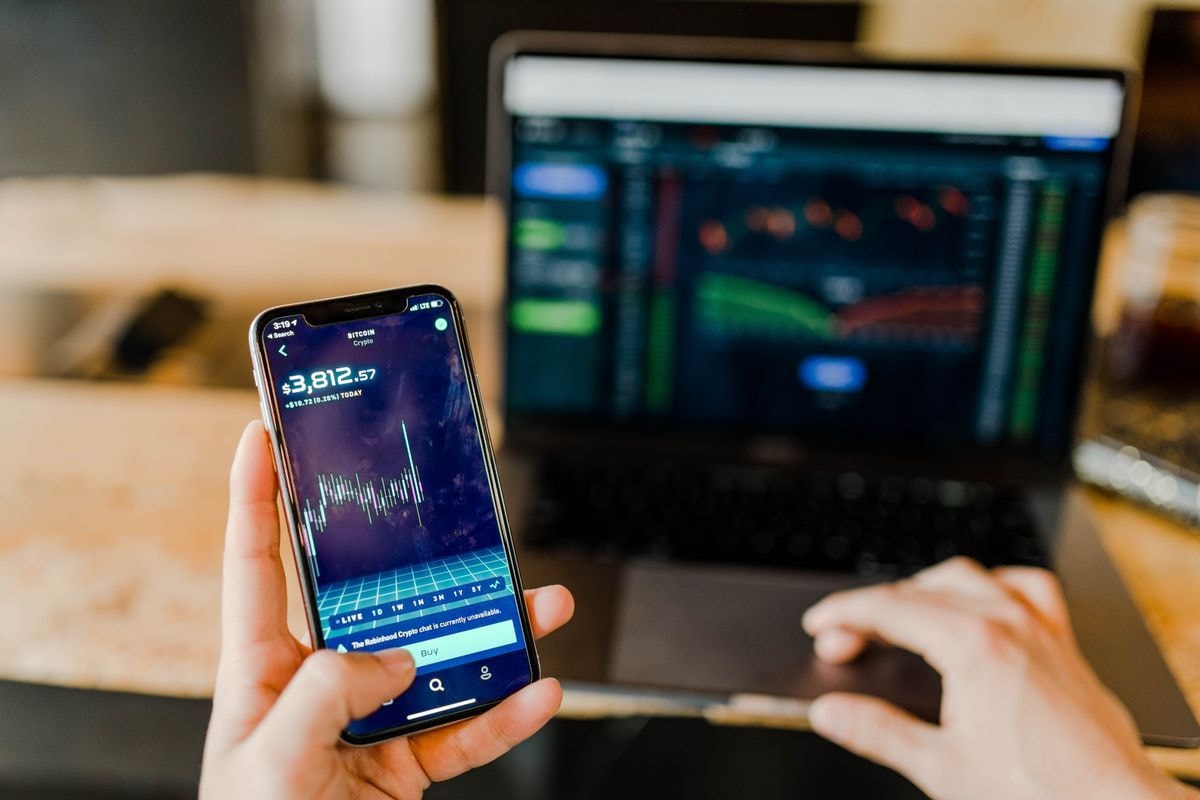
To find out the real-time value of Bitcoin, you can visit:
- Cryptocurrency news websites;
- Cryptocurrency exchange marketplaces.
Each marketplace may display a slightly different Bitcoin price. However, always ensure you rely on the live value shown when initiating a purchase, or the values provided by real-time updated charts. Because BTC buy and sell orders occur every single second, the price of BTC undergoes near-permanent variation. Consequently, prices stated in blog posts will always differ from the live spot price at any given moment.
On Paymium, for example, we constantly update the value of BTC to reflect live market realities, enabling you to buy your BTC at the actual spot rate.
What Factors Influence the Price of Bitcoin?
Even though BTC's dominance remains entirely undisputed, the leading cryptocurrency remains sensitive to multiple factors.
Supply and Demand
As with any financial asset, supply and demand, and consequently trading volume, dictate the evolution of the Bitcoin price. These elements reflect changing market dynamics and the level of confidence investors place in the asset.
Political and Socio-Economic Events
The global socio-economic landscape also influences the value of 1 BTC. For instance, the tightening or easing of digital asset regulations, as well as the stability or turmoil of financial markets in response to various political events, directly impact Bitcoin transactions and, therefore, the value of BTC.
A Closer Look at the Halving
Finally, from a technical perspective, a specific parameter unique to Bitcoin plays a decisive role in its price evolution: the halving. Mining is the process through which new bitcoins are created. Concretely, mining refers to the resolution of complex algorithms by miners to generate new blocks.
Because the maximum quantity of bitcoins in circulation is strictly limited to 21 million, mining becomes increasingly difficult as more blocks are discovered. In parallel, the reward granted to miners for their activity is cut in half roughly every 4 years. This is known as the halving. Bitcoin has systematically recorded a major price peak following each occurrence of this supply cut. Will the next halving, scheduled for April-May 2028, trigger a rally toward a brand-new record high?
The Institutionalization of Bitcoin
A key growth factor for Bitcoin that should not be underestimated is its institutionalization. Since 2024, Bitcoin adoption has accelerated with the launch of spot Bitcoin ETFs and the integration of Bitcoin into corporate treasuries by firms like Strategy and Capital B.
The election of Donald Trump in December 2024 also contributed to the surge in Bitcoin's price. His administration expressed strong support for the cryptocurrency industry and initiated plans to establish a strategic national reserve funded by state-seized bitcoins.
Key Takeaways:
- Bitcoin remains the undisputed leader in cryptocurrency market capitalization and overall market health sentiment.
- Programmatic monetary scarcity capped at 21 million units establishes Bitcoin as a long-term digital store of value.
- Price discovery occurs continuously 24/7 across global exchanges, causing constant real-time spot price fluctuations.
- Post-2024 institutionalization, marked by spot ETFs and corporate treasury adoptions, has injected massive structural liquidity.
- Macroeconomic factors, shifting regulatory policies, and the quadrennial halving cycles serve as primary structural price drivers.
FAQ
What is Bitcoin's All-Time High (ATH) mentioned in the article, and when was it achieved?
Bitcoin reached its historic All-Time High (ATH) of approximately $124,400 in August 2025. This milestone represents a monumental growth of over 1,000,000% compared to its early trading days in 2010 when a single unit was worth less than $2.
Why does the price of Bitcoin vary slightly from one exchange marketplace to another?
Bitcoin is traded continuously across independent global marketplaces. Because each exchange has its own local order book, liquidity depth, and trading volume driven by active buyers and sellers, prices can oscillate slightly between platforms. Real-time pricing engines, like Paymium's, constantly adjust to mirror live spot rates accurately.
What political and institutional milestones driven in late 2024 heavily impacted Bitcoin's value?
The year 2024 was a turning point for Bitcoin's institutionalization. Key drivers included the successful launch of spot Bitcoin ETFs and major corporations like Strategy and Capital B integrating Bitcoin directly into their balance sheets. Additionally, the election of Donald Trump in December 2024 dramatically boosted market confidence, as his administration championed pro-crypto policies and initiated plans to build a strategic national crypto reserve with state-seized assets.
What is a "Satoshi," and how does it relate to buying Bitcoin?
A Satoshi (or SATS) is the absolute smallest unit of a Bitcoin, named after its pseudonymous creator, Satoshi Nakamoto. One Bitcoin can be divided into 100 million pieces 0,00000001. This infinite divisibility means investors do not need to buy a whole coin to participate; they can start accumulating micro-allocations based on their individual budgets.
When is the next Bitcoin halving, and how does it structurally affect supply?
The next Bitcoin halving is programmatically scheduled to occur around April or May 2028. This built-in algorithmic mechanism systematically cuts the block reward issued to miners by 50% every four years (or every 210,000 blocks). By lowering the rate at which new supply enters the market, the halving enforces absolute digital scarcity up to the strict 21 million supply cap, historically acting as a major catalyst for price appreciation.