Whether tangible or intangible, money can take several forms. Among them, fiat currency is composed of valid coins and banknotes in circulation within a given country. Thus, the Euro, the Dollar, and the Yen are all fiat currencies. Understanding the mechanisms of fiat currency, the major role of Central Banks, and its advantages and disadvantages is essential. Below is a comprehensive review of these core concepts.
The Different Forms of Money
Money is a medium of exchange available to economic agents to perform commercial operations and global transactions. Its three primary forms are:
Token Money: The collection of metallic coins circulating within a country.
Paper Money: Circulating paper currency in the form of banknotes.
Scriptural Money: A fully dematerialized form of bank-ledger money used for electronic transactions.
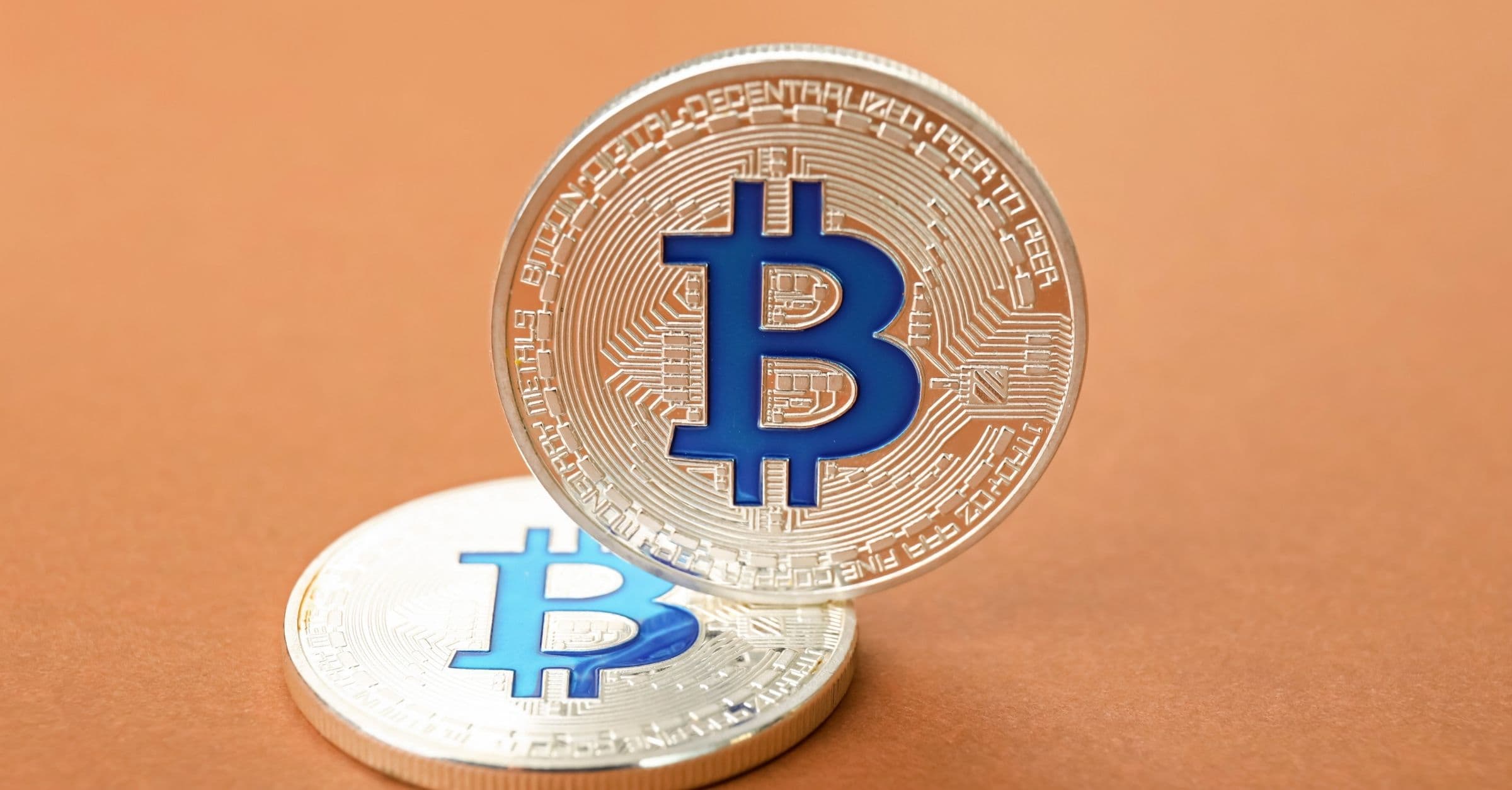
Cryptocurrency: A native virtual currency, the pioneer being Bitcoin, utilizing blockchain technology to secure transactions and reinforce user autonomy.
Fiat Currency: History and Definition
Monetary Evolution Across the Ages
Barter was the primary medium of exchange for centuries until the introduction of circulating currency during Antiquity. Cowrie shells were used for early exchanges, functioning as the equivalent of modern coins. Despite lacking intrinsic value, they were universally accepted due to their uniform nature and availability.
Over time, precious metal coins took over. During the Middle Ages, fiat concepts began expanding in Europe in the form of gold, silver, or copper coins stamped with a royal or government seal to guarantee their value. The acceptance of this currency relied entirely on the trust placed in the issuing authority. Finally, technical advancements allowed paper banknotes to replace heavy coins, drastically reducing the physical burden of carrying money.
What Is Fiat Currency?
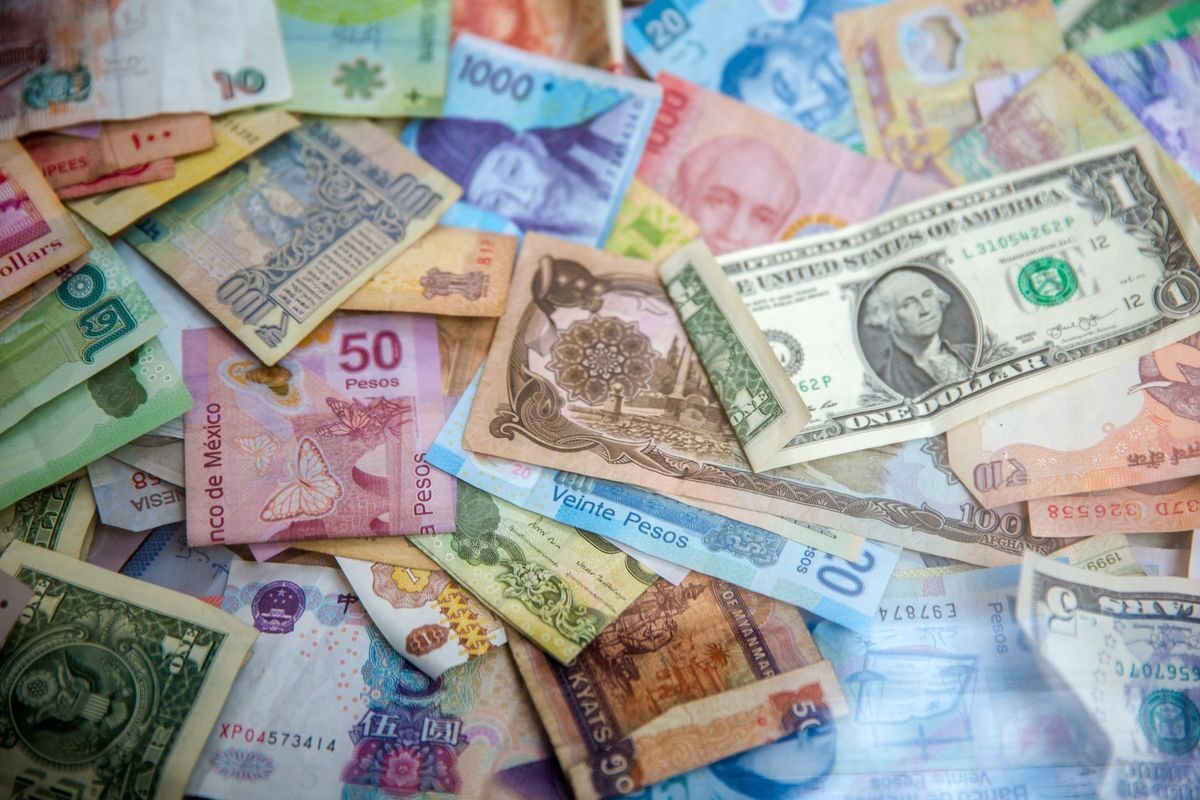
Fiat currency groups token money and paper money together, encompassing all physical coins and banknotes circulating within a territory. It is a day-to-day payment instrument whose nominal value is legally established by the issuing government or its Central Bank.
Unlike commodity money—such as historic gold or silver coins, fiat currency has no intrinsic value. It does not depend on its raw manufacturing costs or the market price of the base materials used to create it, but rather on the collective trust granted by citizens.
The term fiat stems directly from the Latin fiducia, meaning trust. The face value of a banknote corresponds strictly to the sum inscribed upon it, completely independent of the cost of the paper or the printing process.
In Europe, the Eurosystem, composed of the European Central Bank (ECB) and National Central Banks, plays a decisive role. The ECB supervises banknote issuance, while the European Commission oversees coin production. In France, only the Banque de France is authorized to manufacture and issue banknotes, whereas the Monnaie de Paris handles the physical creation of coins.
Fiat Currency vs. Scriptural Money: The Key Differences
Unlike the physical cash we handle daily, scriptural money is entirely dematerialized. It exists solely as digital records within banking ledgers. Transactions occur electronically, moving funds from one account to another via payment terminals, wire rails, or mobile banking applications.
Its circulation methods are significantly more diverse than those of physical fiat cash:
- Debit and credit cards
- Bank checks
- Wire transfers
- Direct debits
In our modern digital economy, physical fiat currency is progressively receding in favor of scriptural money, which now accounts for over 90% of all money in circulation. This shift is heavily accelerated by mobile payment suites and the structural rise of digital neobanks.
The Crucial Role of the Central Bank
The universal acceptance of fiat currency relies on the unwavering confidence of citizens to deploy it when purchasing goods or services. Because this trust is paramount, the State must legally guarantee its status as legal tender. Every time a citizen settles a debt using physical cash, they reinforce fiat currency as the benchmark medium of exchange in the economy.
The Central Bank is tasked with maintaining economic stability by strictly regulating the aggregate monetary supply in circulation. Monetary policy and fiat currency issuance are deeply intertwined, directly influencing interest rates, consumer price indices, and overall macroeconomic growth.
The volume of circulating money must be managed with extreme caution. Excessive reliance on the printing press injects surplus currency into the market, triggering monetary devaluation and aggressive inflation. When cash is too readily available and interest rates drop, commercial banks lend money with minimal oversight.
Conversely, raising interest rates incentivizes citizens to save rather than consume, effectively cooling demand and curbing inflation. Depending on real-time economic indicators, the Central Bank calibrates these levers to preserve monetary and economic stability.
Advantages and Disadvantages of Fiat Currency
The historical emergence of physical fiat currency resolved several practical economic bottlenecks:
Advantages
Universal Acceptance: It is recognized as valid legal tender everywhere, making it highly efficient for micro-transactions and small retail purchases.
Financial Control: It provides tangible budgeting control, as a user cannot spend more capital than they physically hold in their possession.
Absolute Privacy: Cash transactions are entirely confidential and peer-to-peer. They change hands anonymously without leaving a digital data trail or linking transactions to personal real-world identities.
Macro Regulation: It allows sovereign governments to regulate supply and influence economic metrics using fiscal policy and interest rate adjustments.
Disadvantages
High Operational Overhead: It is expensive for central authorities to manufacture, secure, transport, and physically manage over time.
Strict Legal Restrictions: To combat money laundering and illicit flows, cash payments are heavily restricted. In France, peer-to-peer transactions exceeding €1,500 require written contractual proof, while cash payments from an individual to a professional dealer are legally capped at €1,000.
Physical Vulnerability: Cash must be kept secure, as it is exposed to risks of physical loss, theft, destruction, or sophisticated counterfeiting.
Purchasing Power Loss: While the nominal face value printed on a banknote remains unchanged, its real exchange value can fluctuate downward due to inflation, resulting in a systemic loss of purchasing power for savers.
Physical fiat currency continues to play an important role across global markets. Many merchants and local trade networks prioritize cash payments because they settle instantly and carry no transactional processing merchant fees.
However, fiat currency must now adapt to a rapidly expanding digital era, facing stiff competition from digital payment rails and the institutional boom of decentralized cryptocurrencies, an alternative asset class that directly challenges the traditional monopoly of fiat banking institutions.
Key Takeaways:
- Fiat currency comprises the physical bank notes and coins issued by a government or central banking authority.
- The value of fiat currency possesses zero intrinsic raw commodity backing and relies entirely on collective societal trust.
- Scriptural money represents the digital ledger balances that now constitute over 90% of active circulating supplies.
- Uncapped printing press expansion devalues currency purchasing power by generating aggressive macro inflation.
- Physical cash operations preserve transaction anonymity but face tightening legislative caps to curb illicit capital routing.
FAQ
What is fiat currency and where does it derive its value from?
Fiat currency is money in its physical form: the circulating banknotes and coins we use daily (such as the Euro, Dollar, or Yen). The term "fiat" is fundamentally tied to the Latin word fiducia, which means trust. Unlike historical gold or silver coins, modern fiat banknotes carry zero intrinsic commodity value—the paper canvas itself is practically worthless. Its value is derived solely from the collective trust that citizens place in the sovereign state and the Central Bank that issues it.
What is the core difference between fiat currency and scriptural money?
The distinction rests on physical presence versus digital ledger entries. Fiat currency represents the physical, tangible cash inside your pocket, which today accounts for less than 10% of the total global money supply. Scriptural money is entirely dematerialized money. It represents the digital credits recorded on your bank account ledger that circulate electronically via debit cards, wire transfers, checks, or smartphone banking apps.
Why do Central Banks hold absolute authority over fiat currencies?
Central Banks maintain an exclusive legal monopoly over the creation and management of a nation's currency supply, allowing them to steer macroeconomics. If a Central Bank abuses the printing press to artificially cover sovereign debts, it floods the market with excess liquidity. This structurally triggers a sharp spike in inflation and devalues the currency: your €50 banknote will still display the number "50," but its real purchasing power drops, allowing you to buy significantly fewer goods.
What are the primary benefits of cash compared to digital payment methods?
The overriding benefit is absolute privacy and transaction anonymity. Cash exchanges leave no digital footprint, tracking cookies, or data trail linked to your personal identity. Furthermore, physical currency settles instantly, carries no transactional or merchant network processing fees for local businesses, and acts as a natural safeguard for personal budgeting since you cannot spend more than what you physically have on hand.
What are the main risks and limitations associated with physical cash?
The primary risks are physical vulnerabilities: cash can be permanently lost, stolen, physically destroyed, or forged via counterfeiting. Additionally, storing or transporting large volumes of physical cash is logistically complex and dangerous. Finally, to prevent tax evasion and illicit activities, governments strictly limit its use; in France, for instance, it is legally prohibited to pay a professional business in cash for any transaction exceeding €1,000.