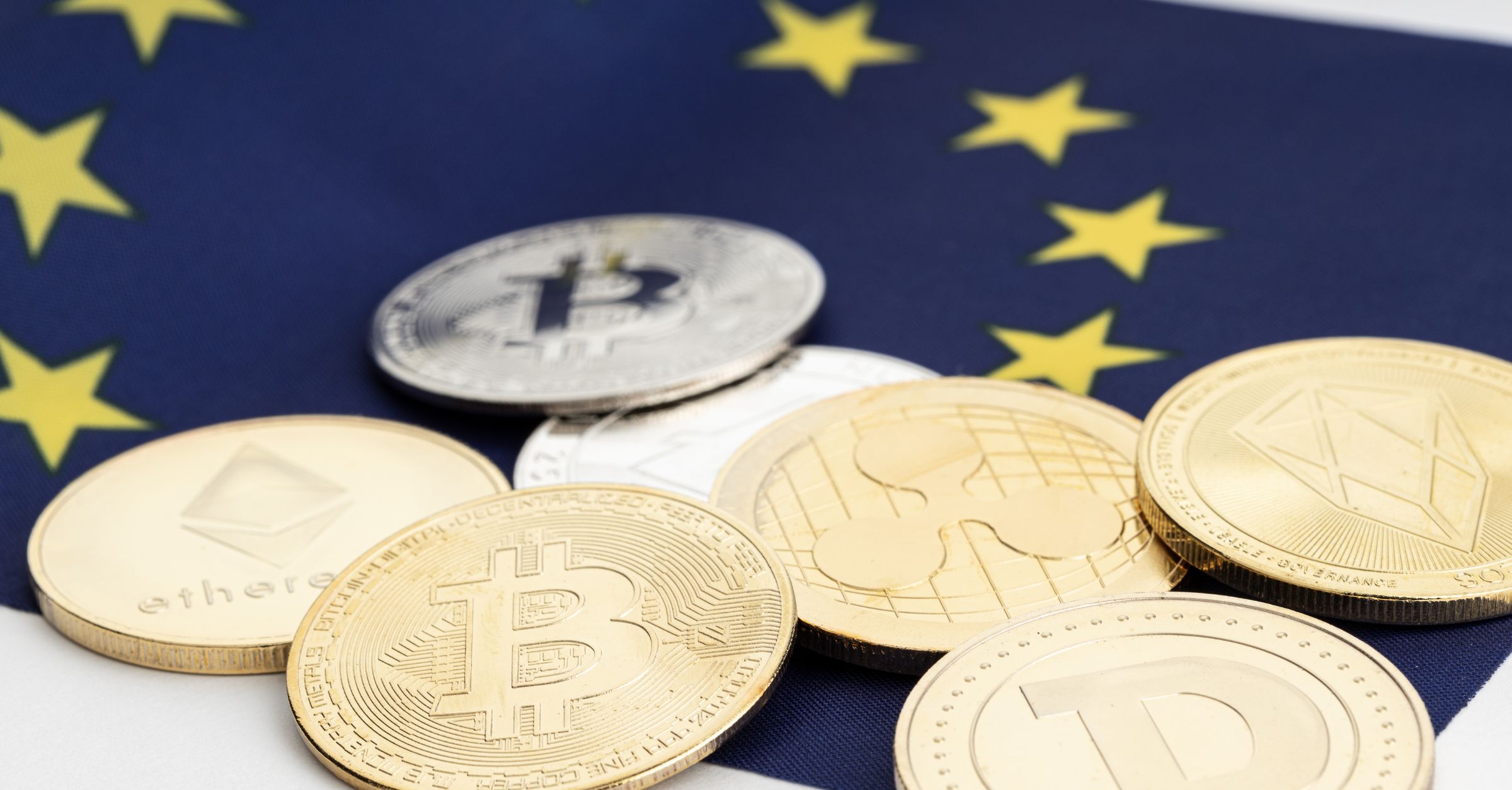

The sirens of the cryptocurrency sector are progressively enticing key players from traditional finance, such as BlackRock. The launch and massive growth of BlackRock's Bitcoin ETF have heavily animated developments within the global financial ecosystem.
An Introduction to BlackRock
BlackRock is considered the absolute juggernaut of global finance, not only because of its longevity in the market but also due to the staggering volume of assets it manages. Founded in 1988, BlackRock has significantly expanded its portfolio, with its total Assets Under Management reaching approximately 14 trillion dollars.
Even though its investment advisory and asset management operations are primarily headquartered in the United States, the corporation operates across approximately forty countries. In France, for example, the asset manager accounts for tens of billions of euros in assets under management, illustrating its massive influence over international capital allocations.
Given its status, BlackRock logically could not remain indifferent indefinitely to Bitcoin as it became an increasingly prominent asset with a multi-billion dollar market capitalization. Cryptocurrencies generate significant enthusiasm and exert a major impact on financial markets. Having already invested in Bitcoin since January 2021, the asset manager decided to cross a new milestone by launching a spot Exchange-Traded Fund tied directly to Bitcoin.
Everything to Know About BlackRock's Bitcoin ETF
The asset management firm formalized its intention to launch an exchange-traded fund focused on Bitcoin: the iShares Bitcoin Trust spot ETF, trading under the ticker IBIT. For the launch of this fund, the asset manager filed a historic application with the SEC. While numerous futures-based vehicles or trust products already existed, BlackRock’s initiative paved the way for the first wave of spot Bitcoin ETFs launched in the United States. This structural shift followed initial European milestones, such as the listing of spot crypto funds on the Euronext Amsterdam stock exchange.
What Do Regulators Say About an ETF Backed by Cryptocurrency?
The SEC (Securities and Exchange Commission) is the American financial market watchdog. The approval of this body was required for the introduction of the BlackRock spot Bitcoin ETF onto the American stock exchange. After filing the application to launch its BTC-backed exchange-traded fund, BlackRock initially navigated complex recommendations from the regulator. The US financial watchdog raised various concerns regarding money laundering risks and BlackRock’s structural ability to secure investor holdings against high market volatility.
This temporary roadblock had little impact on BlackRock’s ultimate execution. In response to the regulatory amendments, the corporation brought refinements to its ETF project. The asset manager integrated rigorous guarantees regarding market movement surveillance and investor transaction monitoring. Concurrently, the fund manager secured vital seed capital, symbolizing a baseline of market confidence before opening the floodgates to global capital.
The BlackRock Bitcoin ETF: An Initiative Shaking Traditional Financial Markets
The arrival of BlackRock within the crypto industry through the creation of a Bitcoin ETF has profoundly shifted the digital asset landscape. Upon formal approval of the fund by the SEC, the asset management firm's immense credibility allowed Bitcoin, and cryptocurrencies as a whole, to gain institutional legitimacy.
As historical proof of market sensitivity, when false rumors previously circulated indicating that BlackRock's Bitcoin ETF had been approved, roughly 100 million dollars in active BTC trading positions were liquidated in less than 24 hours. Furthermore, official announcements surrounding the SEC's recommendations and BlackRock's subsequent improvements to its ETF structural layout caused Bitcoin and ETH to appreciate by more than 20% in a matter of weeks.
Today, the asset class is fully recognized. The launch and subsequent multi-billion dollar success of the IBIT ETF demonstrate that digital scarcity is now a standardized building block within modern portfolio management.
Key Takeaways:
- BlackRock is the world's premier asset manager, expanding its financial scope to incorporate digital scarcity into traditional equity portfolios.
- The iShares Bitcoin Trust bridges traditional stock trading accounts directly with spot Bitcoin price tracking, removing technical self-custody barriers.
- Bypassing public order books through institutionally secured frameworks isolates massive inflows from day-to-day retail exchange friction.
- The structural requirements enforced by the SEC provide strict operational market monitoring while relying on deep cold storage solutions.
- Institutional entry establishes absolute legal and asset legitimacy, drawing stable allocations from traditional corporate treasuries and asset management funds.
FAQ
What is BlackRock and what is its weight in global finance?
Founded in 1988, BlackRock is the largest asset manager in the world. The financial giant oversees an unprecedented volume of assets under management reaching 14 trillion dollars, granting it massive influence over international capital allocations.
What is BlackRock's iShares Bitcoin Trust (IBIT) ETF?
The iShares Bitcoin Trust is a spot exchange-traded fund. Approved by the US SEC, this financial product allows retail and institutional investors to gain direct exposure to the price of Bitcoin from a traditional securities account, without having to manage the technical custody of private keys.
Why does the arrival of BlackRock mark a turning point for Bitcoin?
The integration of Bitcoin into BlackRock's product lineup brings unprecedented institutional legitimacy to the asset. It standardizes its status as a distinct asset class among pension funds, private banks, and traditional wealth managers, while injecting massive liquidity into the market.
How does the SEC regulate this ETF and what guarantees have been provided?
The Securities and Exchange Commission enforces strict requirements regarding transparency and surveillance to prevent market manipulation risks. To comply, BlackRock relies on trusted institutional partners (such as Coinbase for offline asset custody) and implements rigorous joint surveillance-sharing agreements to monitor market operations.
What have been the impacts of this ETF on market volumes and prices?
The launch and massive success of the IBIT ETF, which has surpassed 50 billion dollars in its own assets, triggered an acceleration in trading volumes and structured market depth. Institutional investment flows routed through this financial instrument are now scrutinized daily by the market, as they directly influence Bitcoin's short- and medium-term price trends.