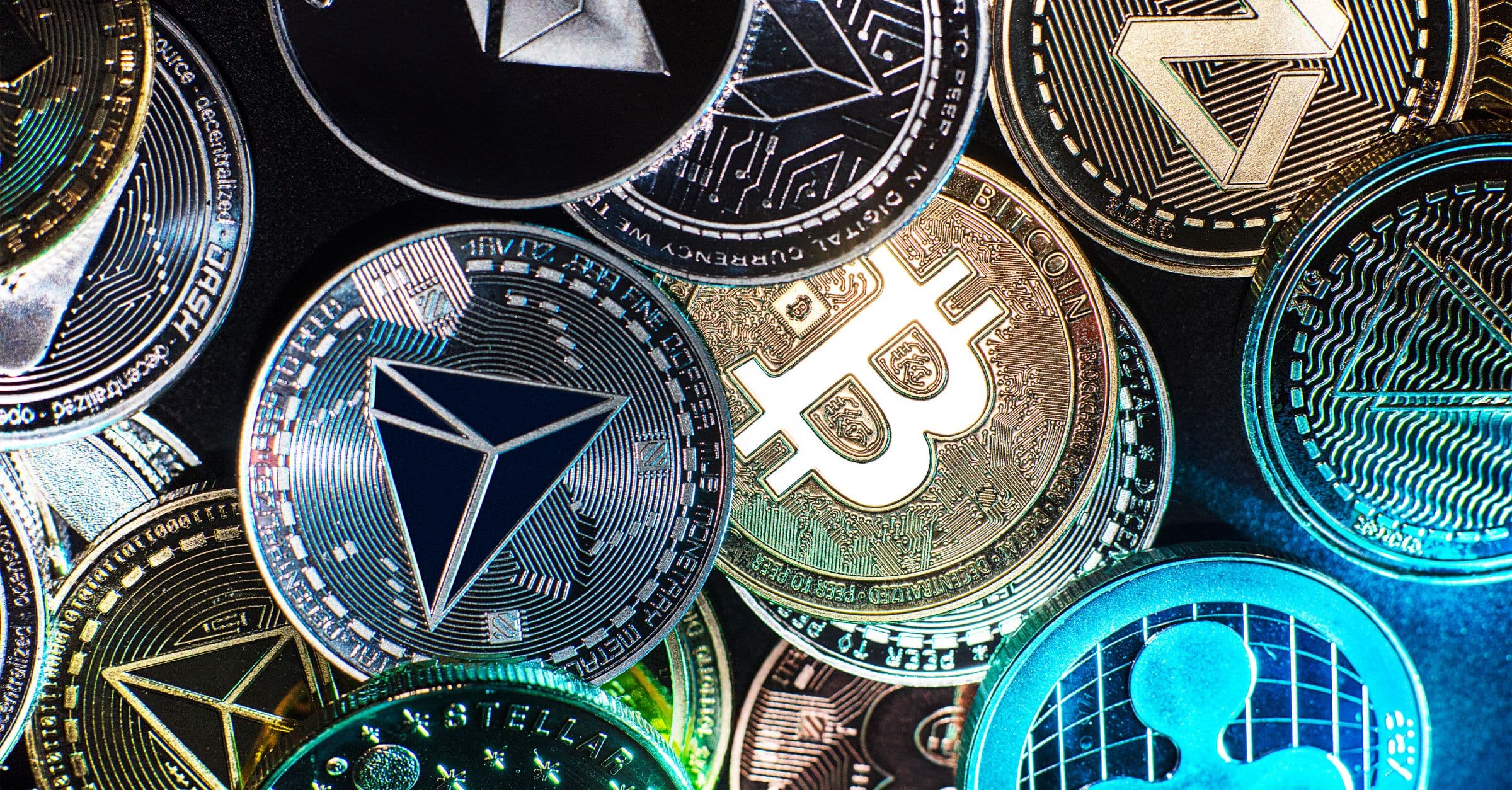
A whole spectrum of digital assets. Cryptocurrencies are digital assets that use cryptography to secure financial transactions, control the creation of additional units, and verify the transfer of assets. Cryptocurrencies operate through distributed ledger technology, known as a blockchain.
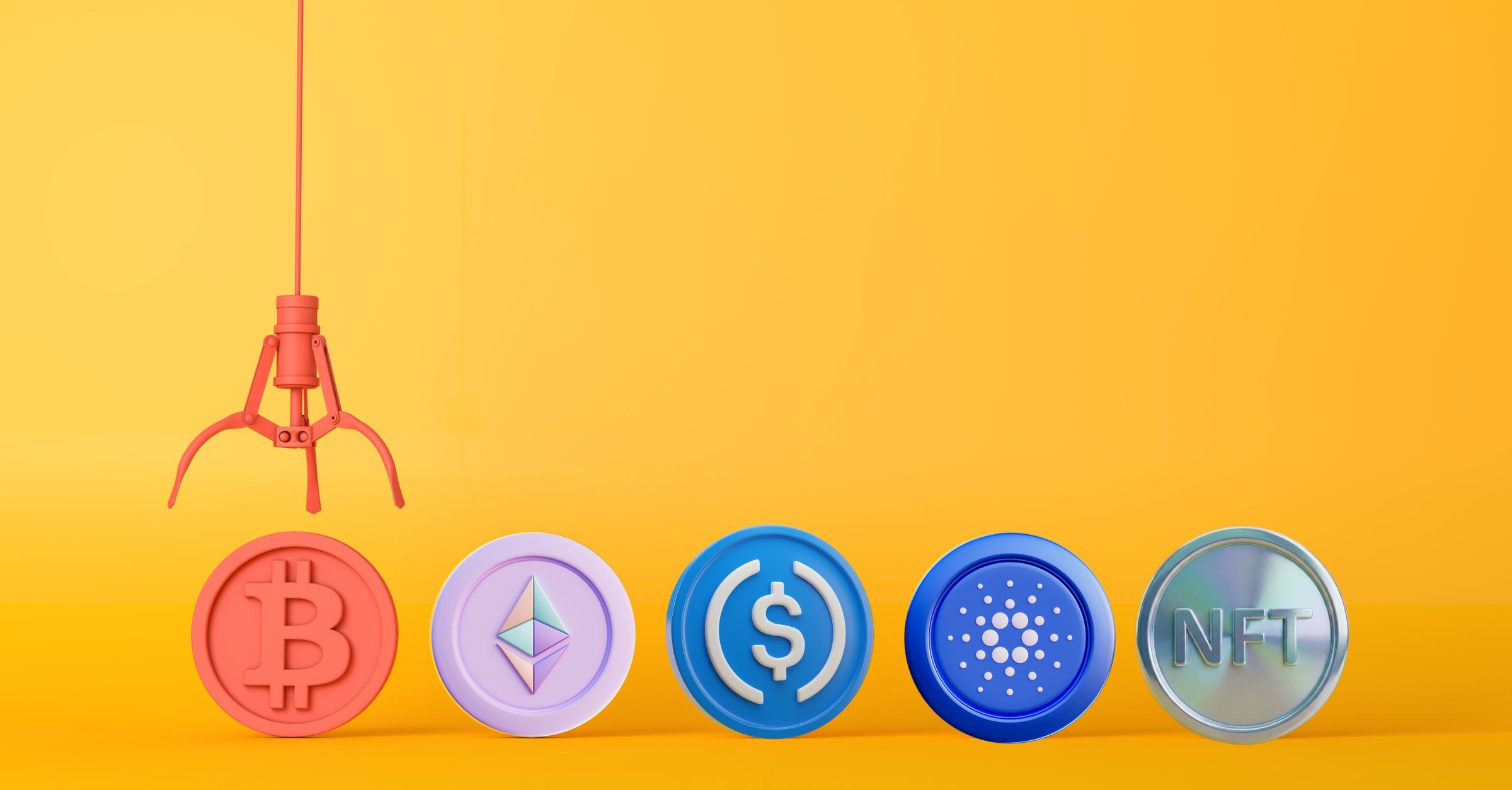
Behind the term "digital assets" lies a variety of coins and tokens, each with distinct goals and functionalities.
Coin
Coins are developed on their own independent blockchain. Mining or validation consensus mechanisms are crucial for ensuring that all transactions are verified. One can distinguish between coins based on the Bitcoin blockchain and coins based on their own independent blockchain networks.
Examples: BTC (Bitcoin), ETH (Ethereum blockchain).
Stablecoin
Digital assets pegged to the value of another external asset. This can be a so-called "fiat" currency like the US dollar or the euro, or a publicly traded commodity like physical gold.
These coins are specifically designed to better withstand price volatility, being stabilized by reserve assets that fluctuate outside the cryptocurrency space.
Example: USDT, USDC, DAI.
Privacy Coin
A term designating tokens and coins that prioritize transactional confidentiality and user anonymity. To evaluate whether a token falls into the category of privacy protocols, the market relies on criteria such as transaction data encryption, balance visibility obfuscation, or address privacy.
Example: Monero, Zcash, Dash.
Token
Tokens differ fundamentally from coins because they do not operate on their own native blockchain, meaning it is not technically possible to mine them directly as a network security mechanism. Instead, they are deployed on top of existing smart contract infrastructures. They can be based on a physical asset, a utility function, or a specific unit of value.
Ethereum is the blockchain that hosts the largest volume of tokens today.
Utility Token
These tokens are used to finance a project by providing buyers with the guarantee of being able to access the project's specific service or product in the future.
A utility token can be compared to an event ticket or a digital gift card: it has a single use case and only holds utility within a specific network or ecosystem. It confers no equity or ownership rights over the underlying project or company.
Security Token
This is a token that represents a negotiable financial asset (company shares, bonds, debts, or real estate fractions). They derive their value from an external, real-world asset.
These tokens constitute a formalized investment vehicle. Security tokens are the digital form of traditional securities and must imperatively be registered with a regulatory institution (such as the US SEC or the German BaFin).
Equity Token
Represents direct shares or stock in the company that issues them. By purchasing equity tokens, you are investing directly in a corporate entity and legally owning a portion of it.
All equity tokens are structurally categorized as security tokens.
Example: BFT.
Payment Token
Single-purpose tokens optimized to pay for goods and services within digital networks. Payment tokens are issued in real time and used online within predefined operational scopes and settlement environments.
Consequently, token payments allow sensitive data (such as credit card numbers) to be replaced by a tokenized form of money during a payment transaction, making commercial flows significantly more secure.
Example: POLY.
Non-Fungible Token (NFT)
A specialized type of token where each unit possesses unique cryptographic attributes and characteristics. Their internal value is completely unique for each individual token, and they cannot be divided into smaller pieces: you cannot own 0.24 of an NFT.
They are comparable to physical collectibles, such as rare stamps: they belong to the same asset class, yet each individual piece holds a distinct value.
Example: CryptoKitties, Gods Unchained Cards.
FAQ
What is the difference between a Coin and a Token?
A coin is a native digital asset that owns and operates its own independent blockchain (such as BTC for Bitcoin or ETH for Ethereum). A token does not possess its own technical infrastructure. It is created and hosted on an already existing third-party blockchain (such as Ethereum), which lends its security for the token to function.
What is a Security Token and how does it work?
A Security Token is the digital representation of a traditional negotiable financial security, such as company shares, bonds, or debt. It derives its value from a real external asset and constitutes a form of investment. Due to its financial nature, it must imperatively be registered and validated by a regulatory institution (such as the SEC or BaFin).
What is the utility of a stablecoin compared to other crypto-assets?
A stablecoin is a digital asset backed by another external asset, such as a fiat currency (dollar, euro) or a commodity (gold). Unlike traditional cryptocurrencies, it is designed to withstand price volatility. It allows investors to secure the value of their capital while remaining within the digital ecosystem.
What makes a non-fungible token (NFT) unique?
Each unit of an NFT possesses unique attributes and characteristics that make it non-interchangeable and impossible to divide (you cannot own a fraction of an NFT). Unlike a bitcoin or a euro, which all hold the exact same value, NFTs are comparable to collectibles or stamps: each piece possesses its own internal value.