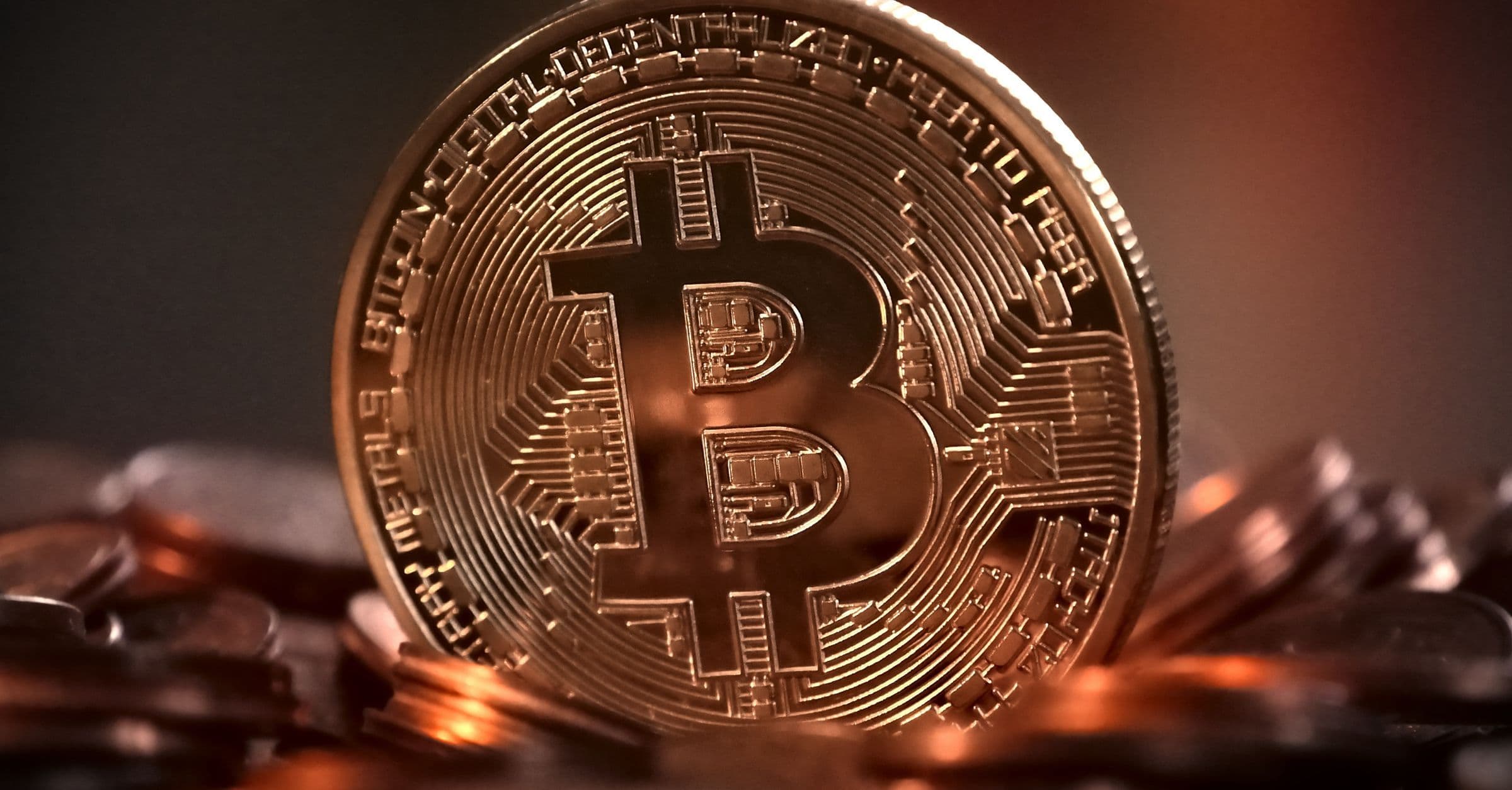
First published: 06/14/2023 Last updated: 04/04/2025 Every cryptocurrency is characterized by operational rules, among which is the rule regarding the circulating volume. In the case of Bitcoin, which obviously initiated the principle, Satoshi Nakamoto, the anonymous founder of this crypto, defined a maximum number of bitcoin units.
Beyond this maximum, no new coins will be generated, and transactions will take place exclusively with the BTC already issued and present on the market. However, this maximum is not random. It is based on a set of logics that influence the number of bitcoins in circulation to date, as well as the production rate of new BTC.
21,000,000 BTC: The Supply Limit of the Bitcoin Market
When publishing the whitepaper in 2008 explaining the technical foundations of the first cryptocurrency, Satoshi Nakamoto defined the maximum number of bitcoins that would circulate on the market. The goal of Bitcoin's creator was to create a digital currency capable of serving as an alternative to fiat currencies, while retaining the strong points of the traditional monetary system.
Scarcity constitutes one of the key pillars of this system; gold's capacity to remain a safe-haven asset at all times illustrates this perfectly. In designing Bitcoin's program, Satoshi N. relied on this principle of valuation through scarcity. Bitcoin's algorithm therefore started by projecting the maximum number of BTC on the market at approximately 21 million.
Why do we use the term "approximately"? The issuance of new bitcoins relies on a series of parameters. These lead to a maximum supply that is, in reality, slightly below 21 million (20,999,999.976900). In any case, scarcity represents one of the main assets arguing in favor of Bitcoin's reliability. Investors view it as an asset that, in addition to being decentralized, cannot be subject to abusive manipulation.
The Number of Bitcoins in Circulation to Date (April 2025)
According to market data, the number of BTC in circulation in the month of April 2025 is around 19,846,000 BTC. The milestone of 19 million BTC was crossed in April 2022.
The evolution of the BTC supply demonstrates a "natural" slowdown in the production of new transaction blocks. In parallel, the circulating supply evolves slower and slower. Since the first bitcoin was put into circulation in 2008, the Bitcoin program issued 19 million bitcoins in approximately 13 years, of which 10.5 million BTC were issued between 2009 and 2013.
We therefore see that bitcoins in circulation increase slower and slower as time passes. To understand this, let us review below certain principles of its operation: halving, fork, etc.
Issuance of New Blocks, Mining, Rewards: Everything on How Bitcoin Works
Unlike fiat currencies such as the Euro, Bitcoin is not controlled by a central bank or a government. However, the Bitcoin protocol is not without rules.
The issuance of bitcoins via a decentralized process
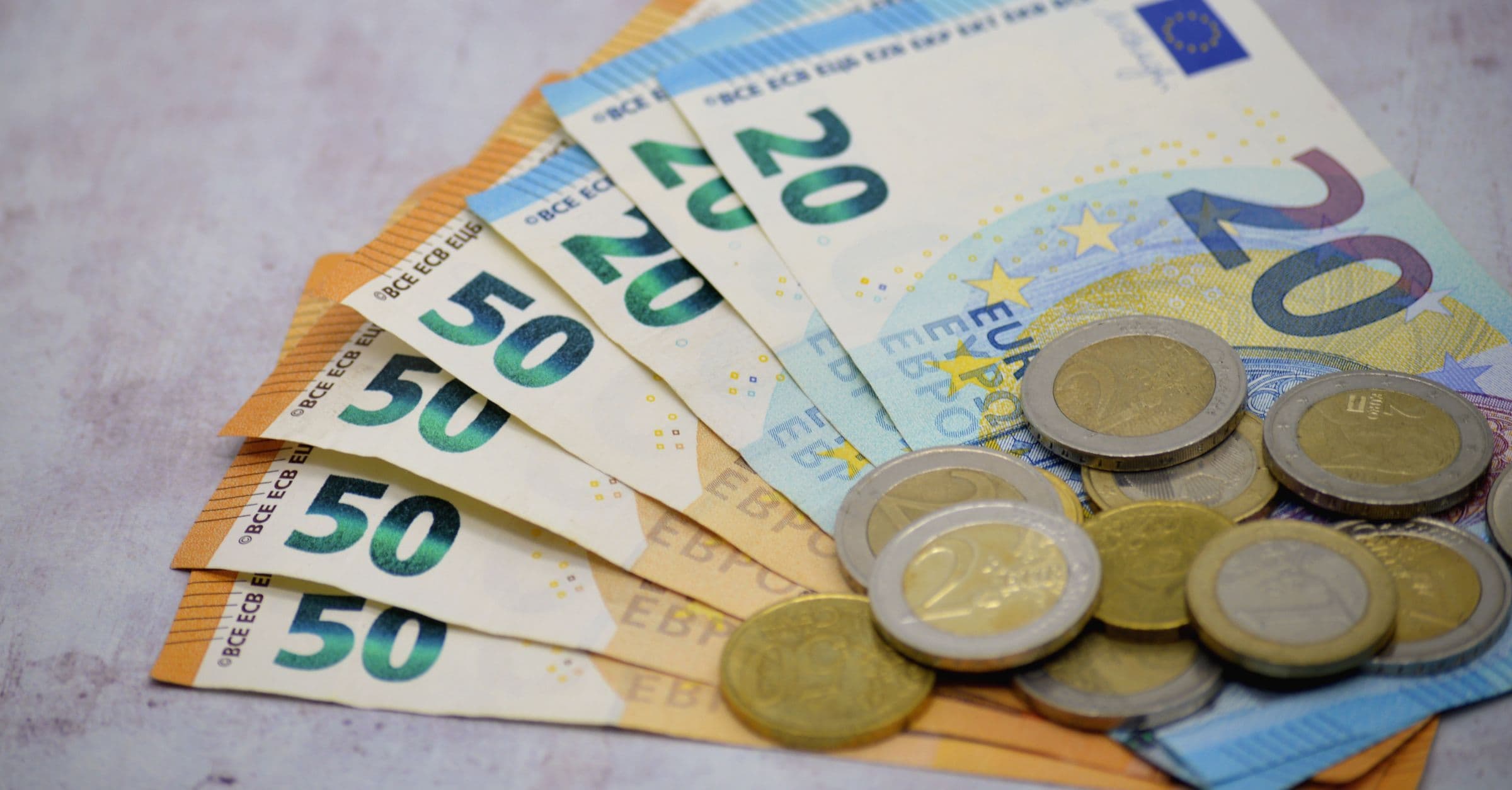
The approach through which BTC coins are issued stands in radical opposition to that of central banks. The latter, in agreement with the governments to which they are affiliated, control the injection of liquidity. In Europe, we have the European Central Bank (ECB); in the US, the Federal Reserve of the United States (the Fed) plays this role.
These institutions have the power to inject new banknotes and new coins of "fiat" (fiduciary) money into the economy. Their actions depend exclusively on defined national policies, and the end-users of this money have no direct influence over their issuance.
Conversely, there is no single entity that can directly influence the production of bitcoins. The network on which BTC relies provides the possibility to perform an operation called mining. Mining serves to validate and secure transactions, notably by verifying the hash (an encrypted address) of a block of transactions.
Carried out by miners, mining operations require significant computing power. Initially, a computer equipped with a powerful CPU was enough to mine BTC. However, as new blocks were produced, bitcoin mining became increasingly complex. It now requires power that only a mining farm—a kind of power plant combining the computing power of multiple processors—can provide.
Miners' reward and the production of new blocks
The founding algorithm of Bitcoin includes a mechanism for rewarding miners. For the work power that the latter make available to the network, but also for the transaction verification work they perform, they automatically receive a reward in BTC. The BTC granted as rewards constitute the new bitcoins put into circulation, through the production of a new block.
At the beginning, this reward was equivalent to 50 BTC. Taking into account the value of Bitcoin around April 2025 (around €74,000), this reward would be equivalent to nearly 3.75 million euros! The price of Bitcoin would not have evolved as much if this reward had remained frozen.
Satoshi Nakamoto, whose identity remains unknown as to whether it is a single person or a group, anticipated everything to reinforce the principle of scarcity and optimize the chances of growth for BTC's value. Every 210,000 blocks or so, the value of the reward is cut in half: in cryptocurrency jargon, this is referred to as a halving.
A closer look at the halving
The halving consists of dividing the reward granted to miners by 2. Taking into account the occurrence of the halving every 210,000 blocks, and knowing that a block is validated every 10 minutes, this event occurs approximately every 4 years.
Thus, since the creation of Bitcoin and the launching of the network, four halvings have already taken place: in 2012, in 2016, in 2020, and in 2024. At the time of writing this article, the reward granted to the miner or mining pool validating a new block is worth 3.125 BTC. It will remain at this level until the next halving in 2028.
The mechanisms of mining, producing new blocks of bitcoins, and halving are thus intimately linked. They have a direct influence on the number of bitcoins in circulation. Let us note, however, that the governance of the network remains framed by the Bitcoin community, as evidenced by the introduction of the update named "segwit" in 2015, which contributed to strengthening transaction security.
Number of Bitcoins in Circulation: On What Date Will the Maximum Supply Be Reached?
According to calculations based on the multiple principles mentioned above, the last block should be issued in 2140. The issuance of all bitcoins will thus have taken nearly 132 years, and 32 halvings will have occurred.
When the last bitcoin has been issued, the network will not stop functioning. Miners' rewards will then come from BTC already in circulation. At that moment, the reward received for each block validation will be significantly lower than it is today.
While more than a million miners are already counted, by the year 2140, this workforce could multiply by 10, or even more. Furthermore, the scarcity of Bitcoin will keep strengthening between now and then. Its value could prove to be considerably high when the last block has been produced.
FAQ
Why was the maximum limit of Bitcoin set at 21 million units?
Satoshi Nakamoto established this absolute limit to replicate the scarcity of precious metals like gold and protect the currency against inflation. Unlike fiat currencies that can be printed in unlimited quantities by central banks, Bitcoin's computer code imposes a finite supply. This programmed scarcity ensures that no entity can devalue the asset through arbitrary money creation.
What is the halving and what is its impact on the number of bitcoins in circulation?
The halving is an automatic protocol mechanism that divides by two the BTC reward attributed to miners every 210,000 blocks, or roughly every 4 years. This event slows down the rate of new token issuance on the market. This is why Bitcoin's money supply grows slower and slower over time, reinforcing its deflationary character with each cycle.
What will happen to the network and the miners when the last bitcoin is issued in 2140?
When the maximum limit is reached around the year 2140, no new bitcoin will be created ex nihilo. The network will continue to function normally: the remuneration of miners for securing blocks will no longer come from newly issued tokens, but exclusively from transaction fees paid by users.