First published: 04/19/2022
Last updated: 06/22/2025
Crypto Bull Run 2021, FOMO, Bear Market, crypto market, Halving, Investor Confidence, upward trends or downward trends… Are you lost in the world of cryptocurrency? This article explains the Bull Run to you.
When discovering the world of Bitcoin and cryptocurrencies, you sometimes come across unfamiliar terms. Today, let's look into a concept that intrigues many beginner investors: What is the Bull Run phenomenon in cryptocurrencies?
Definition of a “Bull Run”: What Is It?
The Charging Bull of Wall Street is a bronze sculpture by Italian artist Arturo Di Modica located at Bowling Green Park, near the New York Stock Exchange in the United States. To understand what a Bull Run is, you need to know that this term refers to a metaphor.
“Bull Run” literally means a "run of bulls." The terms “Bull Market” or “upward market” are also used. In the stock market, the image of the bull is commonly associated with the upward movement of market prices, as bulls always charge from the bottom up.
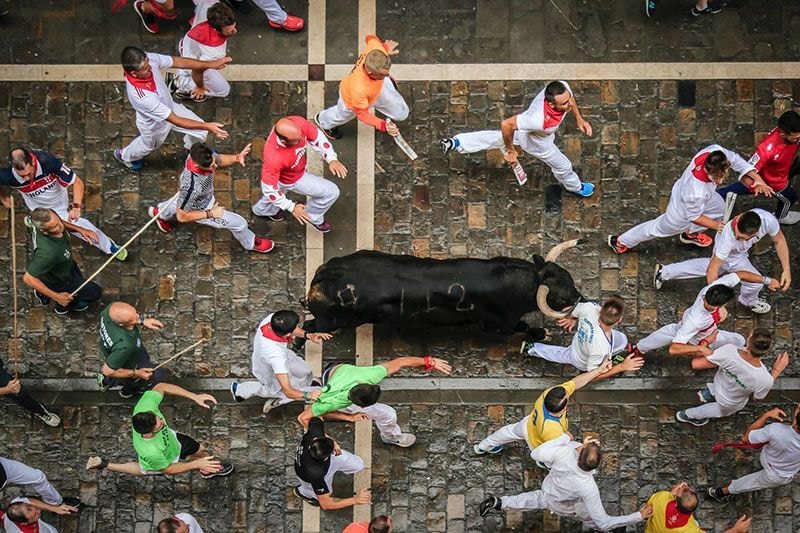
To visualize a Bull Run, imagine "bulls" that all start running at the same time in the same direction. The translation? Shareholders and buyers all rush at the same time to buy the same asset or cryptocurrency. A “Bull Run” in crypto therefore refers to a period when demand increases sharply for a virtual currency, implying a massive increase in market confidence.
Understanding Cryptocurrency: A Short Bull Run Glossary
- Bull Run (on the Bitcoin market): A prolonged period when the price of Bitcoin experiences a strong, aggressive upward trend.
- FOMO: An acronym standing for “Fear Of Missing Out.” In the financial world, this psychological fear can explain a sudden, emotional rush toward an asset.
- Bear Market: The “Bear market” is the opposite metaphor. Here, the bear refers to a period of hibernation, representing a prolonged downward market and general price correction.
A Brief History of the Most Notable “Bull Runs” Experienced by the Bitcoin Market
The First Cycle (2012)
The first structural Bull Run arrived at the end of November 2012, running roughly one year after the first BTC halving. The value of Bitcoin increased by approximately 9,000%, which panicked the markets. To put it another way, before this Bull Run, a bitcoin sold for an average of 12 dollars; afterward, its price hovered around 1,124 dollars. It was thanks to this price increase that Bitcoin began to attract a wider pool of global investors.
The Second Cycle (2015–2017)
The second wave began in October 2015, heavily driven by market anticipation of the second halving scheduled for the summer of 2016. The price of BTC initialed a gain of +112%, before experiencing the explosive second part of this upward trend throughout 2017.
During that major 2017 Bull Run, the value of Bitcoin went from around 1,000 dollars in January to more than 15,000 dollars by December 26, reaching a peak very close to 20,000 dollars in mid-December.
The Institutional Era (2020–2021)
The fourth major Bull Run took place starting in the summer of 2020. Corporate entities initiated the institutional movement by allocating parts of their treasuries directly into Bitcoin.
A prominent software firm purchased 21,454 BTC for 250 million dollars in August 2020, continually expanding its holdings despite market volatility. By 2021, high-profile automaker investments worth 1.5 billion dollars and El Salvador adopting Bitcoin as legal tender permanently shifted the macroeconomic status of the asset class.
FAQ
What is a Bull Run in crypto and how does it manifest itself?
A Bull Run designates a prolonged period of sharp price increases in the crypto-asset market. This phenomenon is characterized by generalized optimism, a massive increase in buying volumes, and a rapid rise in prices. The expression comes from the image of the bull on Wall Street, which charges its opponents from bottom to top, thereby symbolizing a powerful and upward movement.
What is the impact of the Bitcoin Halving on triggering a Bull Run?
The halving is a computer mechanism that cuts the issuance of new bitcoins in half every four years, creating a supply shock. Historically, this reduction in token production stimulates price increases because supply diminishes while global demand remains stable or grows. It is this mathematical imbalance that has systematically catalyzed the market's major bull cycles.
What is FOMO and how does it amplify the rise in prices?
FOMO, or Fear Of Missing Out, is the fear of missing out on a golden financial opportunity. During a Bull Run, the spectacular rise in prices attracts the attention of the media and the general public. This media coverage generates a psychological reaction: many investors enter the market in a rushed and irrational manner for fear of missing out on future gains, which accelerates and amplifies the upward movement.
What is the difference between a Bull Market and a Bear Market?
These two expressions describe opposite phases of market cycles. The Bull Market represents the upward and dynamic phase, driven by buyer confidence and incoming capital flows. Conversely, the Bear Market designates the downward market, symbolized by the hibernating bear. It is a period of prolonged correction, marked by general disinterest, a drop in volumes, and a decline in prices.